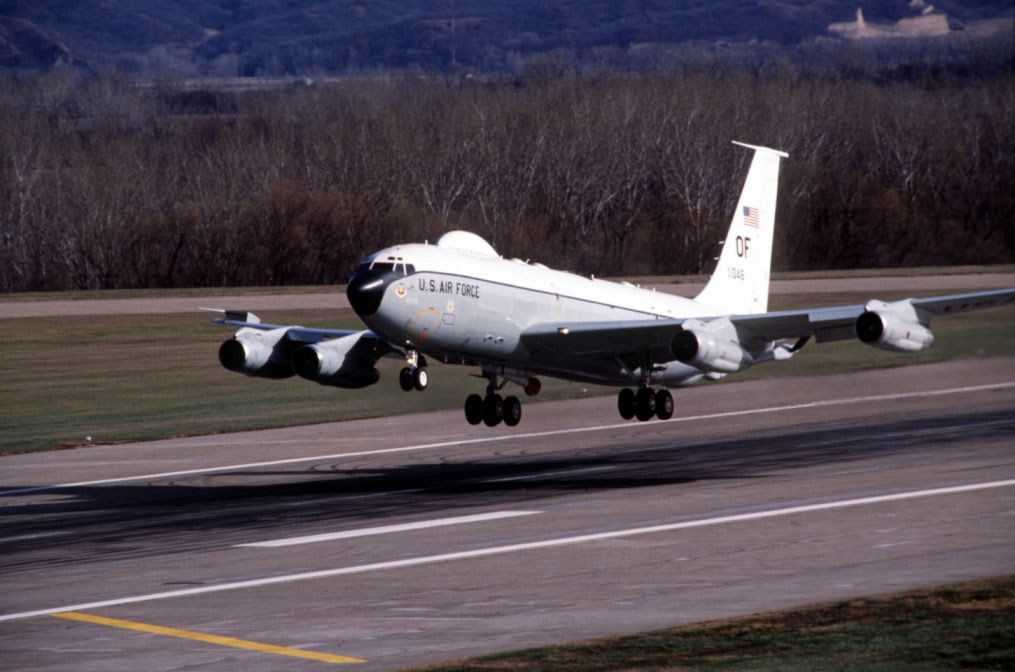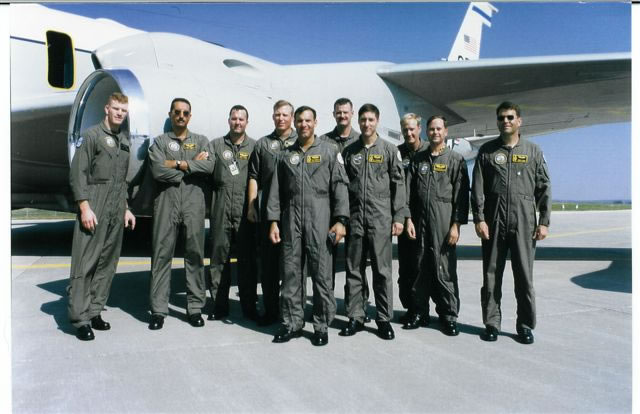


The sign above the entrance to the 2ACCS read “Best Airborne Command & Control Squadron in the World”. The “LOOKING GLASS” started flying 24 hour operations on February 3 1961. The mission was to maintain airborne alert status and take over SAC forces if something was to happen to the Strategic Air Command (SAC) Command Center. An EC-135C (LOOKING GLASS or SAC ABNCP) maintained airborne alert status 24 hours a day, 365 days a year. This WEB site is dedicated to those men and women that flew that mission.
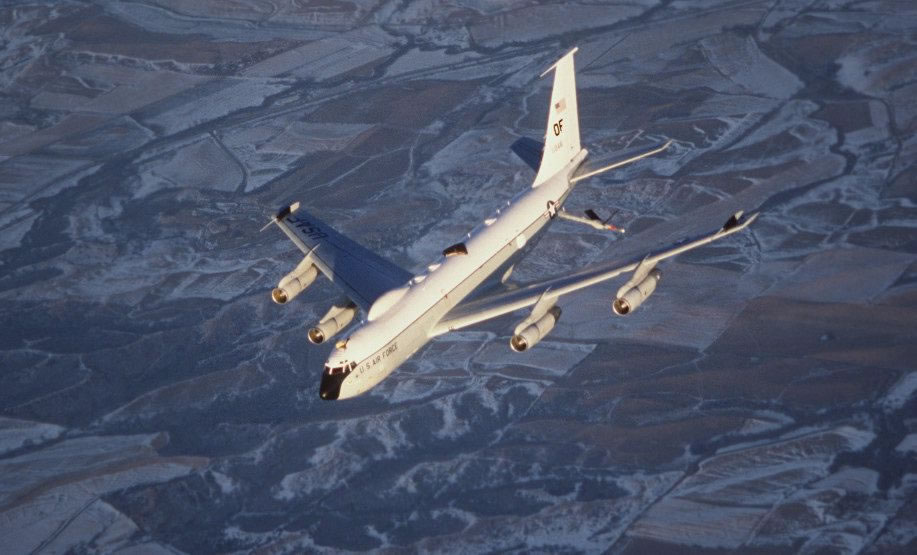
SAC flies last continuous “Looking Glass” airborne alert.
On 20 July 1990, after 29 years, 171 days of continuous airborne alert operations, the LOOKING GLASS recorded its last continuous airborne alert sortie with Gen. Chain as the Airborne Emergency Actions Officer (AEAO). General John T. Chain announced the implementation of the new modified alert concept. This new posture marked the beginning of ground alert with a random flight time each day. Although continuous flight operations ceased, the basic mission of the 2nd ACCS remained unchanged. The LOOKING GLASS, or SAC ABNCP, continued to act as alternate command & control element for the HQ SAC Command Center.
Hi, my name is Carl R. Brown. I flew as a Battle Staff member on the “LOOKING GLASS” EC-135C from 1986 to 1992 when the mission was flown by the Strategic Air Command (SAC), and again from 1995 to 1997 when the mission was flown by the United States Strategic Command (USSTRATCOM). I have built this web site so that other 2ACCS, 4ACCS, PACCS, and WWABNRES Crew Dogs can keep in touch with each other and that others may see what we did for a living. Look over the site and see the History, Crew positions, Photos of the aircraft we flew on and some crashed in. If you have any photos or inputs for this site, contact me on Facebook, “Looking Glass” Group.